

Studies have shown that over 90% of offenses are committed by someone not on a registry, and 93% + are committed by someone known to the child, either an acquaintance or family member.
Berliner, L., Schramm,D., Miller, L., & Milloy, C.D./ (1995). A Sentencing Alternative for Sex Offenders: A Study of Decision Making and Recidicism. Journal of Interpersonal Violence, 10(4), 487-502.
Sandler, J.C., Freeman, N.J., & Socia, K.M. (2008). Does a Watched Pot Boil? A Time Series Analysis of New York State’s Sex Offender and Notification Law. Psychology, Public Policy, & Law, 14(4). 284-302. DOI: 10.1037/a0013881
https://www.hrw.org/news/2007/09/11/us-sex-offender-laws-may-do-more-harm-good
Evidence based programs that educate potential victims can make our communities safer.
Erin’s Law has been passed in 36 states (not Missouri) and requires public schools to teach a prevention-oriented child sexual abuse program.
https://www.erinslaw.org/erins-law/
Stop It Now: Prevention Tools. https://www.stopitnow.org/resources
Talking about Child Sexual Abuse Can Help End Child Sexual Abuse – Yale School of Management
Public registries and housing restrictions do more harm than good
https://www.hrw.org/news/2007/09/11/us-sex-offender-laws-may-do-more-harm-good
Debunking Assumptions about recidivism of sex offenders and the efficacy of sex offender registries and residential restrictions
https://casomb.org/docs/CASOMB_LetterRegarding%20AB201_1-7-16.pdf
Roger N. Lancaster, Sex Panic and the Punitive State, Berkeley: University of California Press, 2011, p. 78
Reduction in risk based on time offense-free in the community… [Study by Dr. Karl Hansen modeling the 25-year risk of sexual recidivism shows that after 10-15 years, most individuals with a history of sexual offenses were no more likely to commit a new sexual offense than individuals with a criminal history that did not include sexual offenses.]
https://psycnet.apa.org/record/2017-47339-001
The Supreme Court’s holding that sex offender recidivism is “frightening and high” was based on a recanted advertisement in Psychology Today magazine, not evidence-based research. Unfortunately, courts have clung to and cited this myth in subsequent rulings.
https://reason.com/2023/03/01/how-scotus-promoted-pernicious-myths-about-sex-offender-registries/
Vigilantism and collateral damage to families result from public registries.
https://www.npr.org/2005/09/07/4836246/vigilante-used-web-site-to-find-sex-offenders
https://socialchangenyu.wordpress.com/wp-content/uploads/2013/12/platt.pdf
https://pmc.ncbi.nlm.nih.gov/articles/PMC2820068/
Is Halloween Really More Dangerous For Kids?
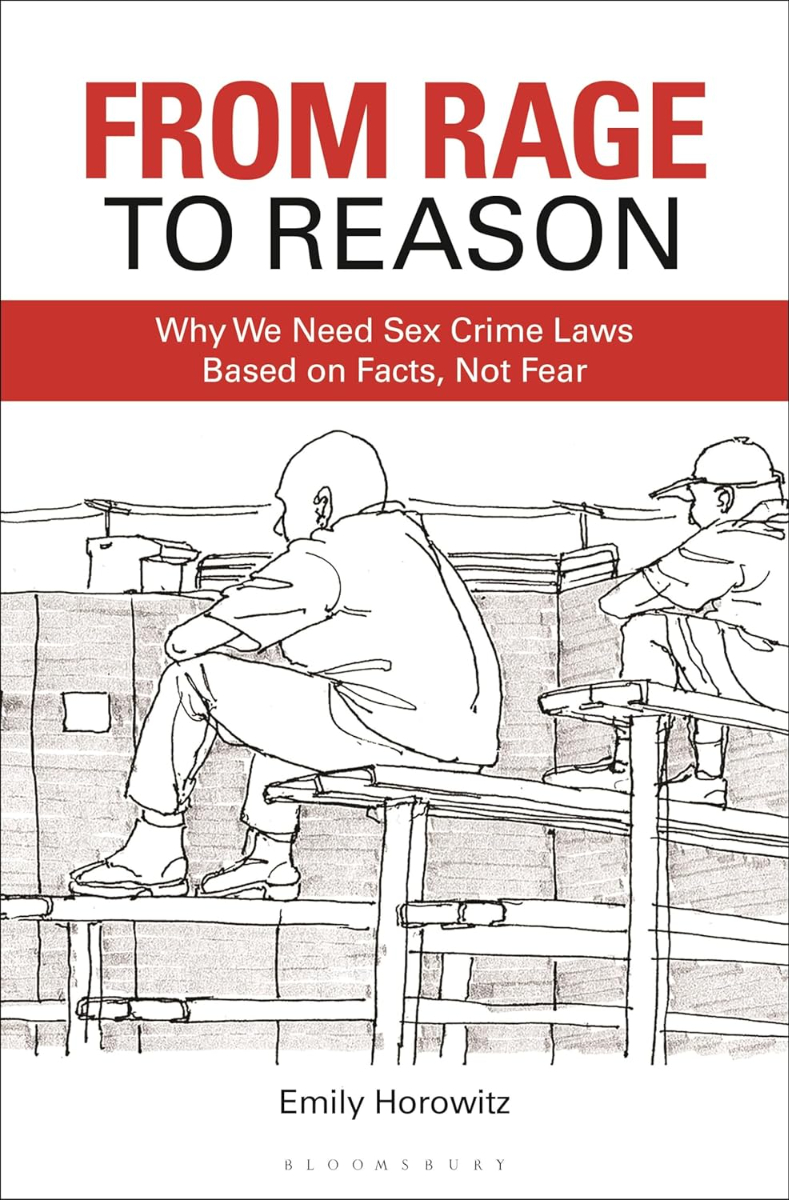 Read about the many ways public registration prevents individuals who have served their punishment from successfully reentering society and the barriers they encounter to employment, housing, family reintegration and social interaction in the book From Rage to Reason; Why We Need Sex Crime Laws Based on Facts, Not Fear by professor Dr. Emily Horowitz.
Explore many studies and scholarly articles (easy to read!) arguing that public registries do not make communities safer in the book, Sex Offender Registration and Community Notification Law; An Empirical Evaluation. Ed. by law professors Wayne A. Logan and J.J. Prescott (See Link on Books & More page)